
Proudly Serving the Rock Hill, Charlotte, and Surrounding Areas

Plumbing Leak Detection Services
Hidden plumbing leaks can waste water, damage building materials, and increase utility costs long before the source becomes visible. Full Spectrum Plumbing Services provides professional leak detection in Rock Hill and Fort Mill, SC, Charlotte, NC, and surrounding communities.
Our plumbers inspect plumbing fixtures, connections, supply lines, drain piping, water heaters, appliance lines, and underground water service lines. We use targeted testing and non-invasive detection methods whenever possible to locate the source without opening walls or flooring unnecessarily.
If you hear water running, notice unexplained moisture, or receive an unusually high water bill, schedule a professional leak inspection. Finding the source early can help reduce water loss and prevent more extensive damage.
Signs of a Hidden Plumbing Leak
Some plumbing leaks create visible dripping or standing water. Others remain concealed inside cabinets, walls, ceilings, flooring systems, or underground piping.
Contact a plumber for leak detection if you notice:
-
An unexplained increase in your water bill
-
Water stains on walls or ceilings
-
Damp cabinets or moisture beneath sinks
-
Musty odors or visible mold growth
-
Peeling paint, bubbling drywall, or warped flooring
-
Low or inconsistent water pressure
-
Water running when all fixtures are off
-
A water meter that continues moving without active water use
-
Unusually wet or green areas in the yard
-
Water collecting near the home or an outdoor plumbing connection
These symptoms do not always identify where the leak is located. A professional inspection can determine whether the water is coming from a fixture, supply line, drain, appliance connection, water heater, or underground pipe.
Where Hidden Plumbing Leaks Occur
A leak can develop anywhere water enters, travels through, or drains from a home. Our plumbers evaluate the symptoms and inspect the parts of the plumbing system most likely to be involved.
Behind Walls and Above Ceilings
Water supply and drain lines often run through framed walls and between floors. A loose fitting, damaged pipe, or failed connection can release water into insulation, drywall, and nearby building materials.
The visible stain may not appear directly beneath the failed pipe because water can travel along framing before reaching an exposed surface. Moisture testing and targeted inspection help narrow down the source before access is created.
Beneath Sinks and Inside Cabinets
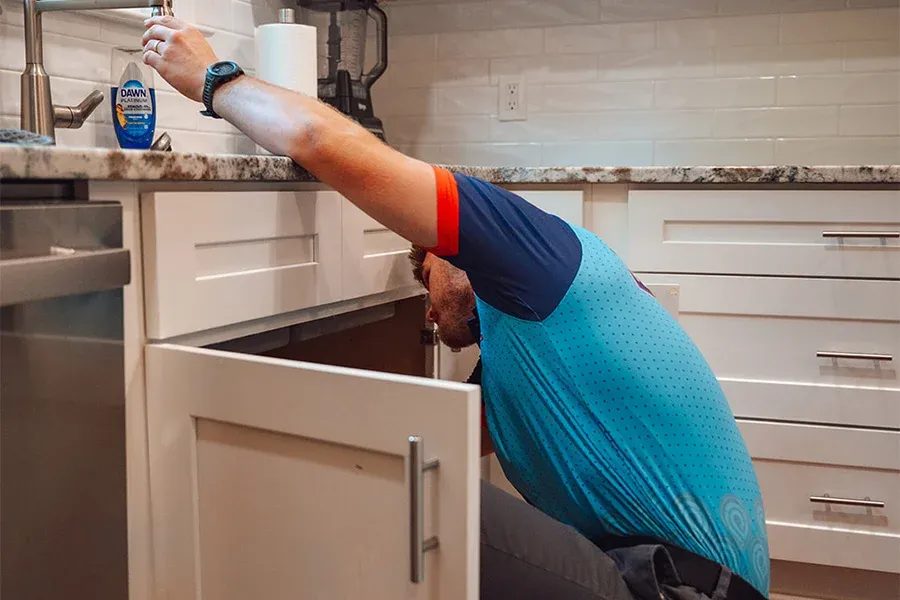
Leaks beneath kitchen and bathroom sinks commonly involve supply connectors, shutoff valves, faucets, drains, or P-traps. Even a slow leak can swell cabinet materials, damage flooring, and create persistent odors.
Our plumbers inspect the complete fixture connection rather than assuming the most visible moisture marks the only problem.
Around Toilets, Tubs, and Showers
Water near a bathroom fixture can come from the supply piping, drain connection, fixture seal, overflow, valve, or surrounding enclosure. Determining when the moisture appears helps separate an active plumbing leak from water escaping through damaged grout, caulk, or another non-plumbing opening.
Once the source has been identified, we explain which plumbing component requires repair and whether any surrounding materials should be evaluated for water damage.
Near Water Heaters
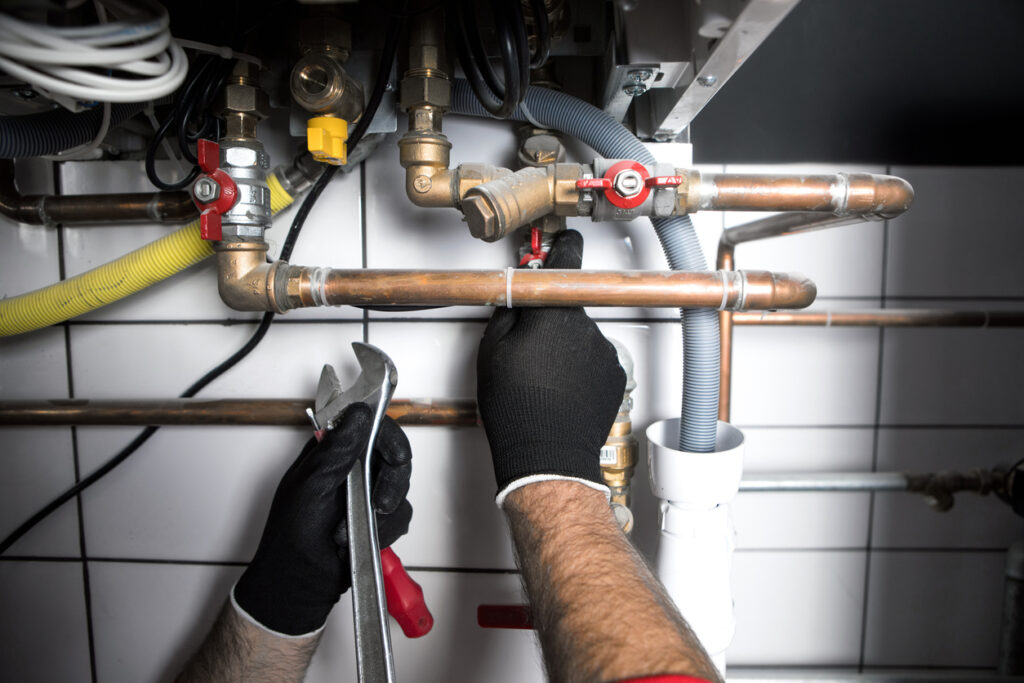
Moisture around a water heater may originate from a valve, pipe connection, drain fitting, expansion-related issue, or the tank itself. The location of the water and the condition of the equipment help determine whether a plumbing repair or water heater service is needed.
Water near the base of a tank should be inspected promptly. A leaking tank cannot typically be repaired and may require replacement.
At Appliance Water Connections
Dishwashers, washing machines, refrigerators, and other water-connected appliances rely on supply hoses, valves, and drain connections. These components may loosen, deteriorate, or crack over time.
Because appliances often conceal their plumbing connections, leakage may continue unnoticed until it affects cabinets, walls, or flooring. Pulling out the appliance is not always enough to distinguish an appliance failure from a plumbing-line problem.
In Underground Water Lines
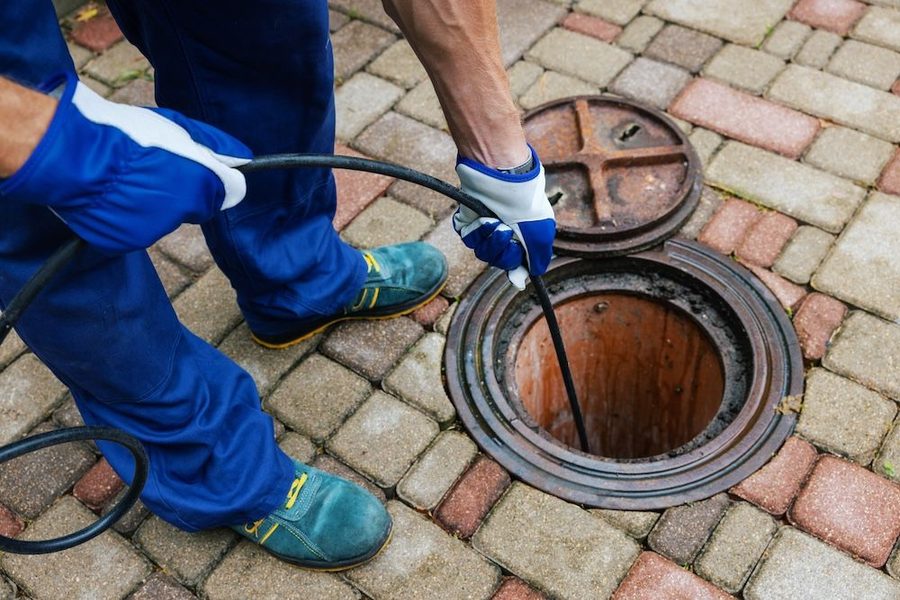
A leak in the water service line between the meter and the home may not produce visible moisture indoors. Instead, homeowners may notice lower pressure, increased water consumption, soft soil, pooling water, or an unusually green area in the yard.
Full Spectrum Plumbing can inspect buried supply piping and determine whether the problem requires a localized water-line repair, rerouting, or trenchless water-line service.
How Professional Leak Detection Works
Leak detection begins with evidence, not unnecessary demolition. Our plumber reviews the symptoms, asks when and where moisture appears, and evaluates which fixtures or sections of plumbing may be involved.
The inspection may include:
-
Checking visible fixtures, valves, connections, and exposed piping
-
Reviewing water-meter activity
-
Testing static and working water pressure
-
Isolating fixtures or plumbing branches
-
Using electronic listening equipment where appropriate
-
Mapping moisture in walls, cabinets, ceilings, or flooring
-
Testing appliance and water-heater connections
-
Inspecting underground water-line routes
-
Using a camera when a drain or sewer problem is suspected
Not every leak requires every test. The plumber selects the methods appropriate for the symptoms and progressively narrows the search until the likely source can be identified.
Electronic Leak Detection
Electronic listening equipment can help detect the sound or vibration created when pressurized water escapes from a pipe. This method is particularly useful when a water line is concealed behind a finished surface or buried underground.
The results must be considered alongside pressure readings, moisture patterns, the plumbing layout, and other inspection findings. Electronic equipment helps narrow the search area, but an experienced plumber is needed to interpret the information and determine the appropriate next step.
Moisture Detection and Mapping
The place where moisture becomes visible is not always where the leak began. Water may travel through wall cavities, along framing, beneath cabinets, or across flooring materials before it appears.
Moisture meters and other inspection methods can help determine how far the water has spread and identify areas that require closer evaluation. Mapping the moisture pattern reduces guesswork and helps limit unnecessary openings in finished surfaces.
Water-Meter and Pressure Testing
A moving water meter when no fixtures are operating may indicate an active leak on the property. Pressure testing can provide additional information about whether a pressurized water line is losing water.
These tests do not reveal the exact location by themselves. Our plumbers combine the results with fixture isolation, visual inspection, and targeted detection methods to determine which part of the system is affected.
Drain and Sewer Leak Investigation
Not every concealed leak comes from a pressurized water line. Damaged drain piping may release water only when a particular sink, tub, toilet, or appliance is used.
The timing and location of the moisture can help identify which drain branch may be involved. When appropriate, a sewer camera inspection can provide additional information about accessible drain or sewer piping.
Camera inspections are designed for drain and sewer lines. They are not used to look inside pressurized water supply pipes.
What Happens After the Leak Is Found?
Once the source has been identified, our plumber explains which pipe, fixture, valve, or connection is leaking and what must be accessed to complete the repair. You receive upfront pricing and clear options before authorized work begins.
Depending on the findings, the recommended service may include:
-
Repairing or replacing a damaged pipe section
-
Replacing a fixture connector or shutoff valve
-
Correcting a leaking drain connection
-
Repairing an underground water line
-
Replacing a leaking water heater
-
Rerouting an inaccessible water line
-
Repiping part or all of an aging plumbing system
Our team provides both leak detection and plumbing repair, so you do not have to coordinate separate companies to locate the problem and restore the affected plumbing.
What If the Leak Is Beneath the Foundation?
Leaks involving pipes beneath a concrete foundation require a more specialized evaluation and repair plan. Full Spectrum Plumbing provides dedicated slab leak detection and repair for these concealed foundation-level plumbing failures.
The slab leak page explains the relevant warning signs, detection process, direct-access repairs, pipe rerouting, repiping considerations, and typical Charlotte-area costs. Keeping that information on the dedicated service page allows this page to remain focused on broader hidden leak detection throughout the plumbing system.
Emergency Leak Detection and Repair
A concealed leak becomes an emergency when water is spreading rapidly, approaching electrical equipment, damaging finished areas, or creating a risk of flooding. Shut off the affected fixture or the home’s main water valve when it is safe to do so.
Full Spectrum Plumbing offers emergency plumbing service for urgent leaks in Rock Hill, Fort Mill, Charlotte, and nearby communities. Our team can locate the source, stop the active water loss, and explain the repair needed to restore service.
Why Choose Full Spectrum Plumbing for Leak Detection?
Accurate leak detection requires plumbing knowledge as well as specialized equipment. Our licensed plumbers evaluate the complete system so the recommended repair addresses the actual source rather than only the visible water damage.
Homeowners choose Full Spectrum Plumbing for:
-
More than 20 years of plumbing experience
-
Licensed service in South Carolina and North Carolina
-
Local offices in Rock Hill, Fort Mill, and Charlotte
-
Non-invasive detection methods whenever possible
-
Leak detection and plumbing repair from one company
-
Upfront pricing and clearly explained options
-
Same-day appointments when available
-
Personal service from a family-owned company
-
Work backed by a worry-free guarantee
We take the time to explain what was found, how the conclusion was reached, and which repair options are appropriate for the affected plumbing.
Leak Detection Across the Charlotte Metro Area
Full Spectrum Plumbing provides residential and commercial leak detection throughout Rock Hill, Fort Mill, Charlotte, and surrounding communities in the Carolinas. Our service area includes Ballantyne, Clover, Indian Land, Lake Wylie, Lancaster, Marvin, Matthews, McConnells, Mint Hill, Pineville, South Charlotte, Steele Creek, Tega Cay, Waxhaw, York, and nearby areas.
With offices in Rock Hill, Fort Mill, and Charlotte, our plumbers can respond throughout York County, Lancaster County, Mecklenburg County, Union County, and neighboring communities. Contact our team if you are unsure whether your property is within our leak detection service area.

Schedule Plumbing Leak Detection
Do not let unexplained moisture, running-water sounds, or increasing utility costs remain a mystery. Full Spectrum Plumbing can inspect the system, locate the likely source, and recommend the appropriate plumbing repair.
Schedule leak detection in Rock Hill, Fort Mill, Charlotte, or a surrounding community. Our plumbers will help you find the leak while limiting unnecessary disruption to your home.
Special Offer
$30 Off
Any Plumbing ServiceOffers valid for a limited time only. Terms and conditions apply. Offers cannot be combined with any other promotions or discounts.
Expires: Sep 30, 2026
Expires: Sep 30, 2026
Have a Question?
Fill out this form and our team will get back to you as soon as possible.
Frequently Asked Questions
Testimonials
Hear From Our Satisfied Customers

Carolina Guy
5 days ago
Technician was very professional and explained what needed to be done very well. We’re very happy with the service provided.


PATH Ministries
1 week ago
We're in the process of doing building maintenance and discovered a plumbing need. Travis came out and quickly ensured we were taken care of and can continue to serve our clients. He provided continued instruction on maintenance and was understanding and flexible during his visit as we were serving clients that day. Great experience.

Wyatt tunall
2 weeks ago
Very responsive and informative.

Dave Baker
2 weeks ago
Had a compactor issue and came right out and replaced. Very professional and know what they are doing.

Shamar Lockett
2 weeks ago
Beandon was exceptional with the repair and installation of my water heater that went out randomly! I would highly recommend full spectrum plumbing.

Ellen Jackson
2 weeks ago
Haskell & Brandon were wonderful and professional

Marriott Loret
2 weeks ago
Haskell was fabulous and so Kind!! Please use them for anything you need!!

Mike White
2 weeks ago
They had Haskell out 30 minutes after I called in. He was professional and knowledgeable and was able to fix the issues. Best experience I’ve had with a plumbing company.

JordanandKobe00
3 weeks ago
Very professional and timely on their appointments.
Mike White
3 weeks ago
They had Haskell out 30 minutes after I called in. He was professional and knowledgeable and was able to fix the issues. Best experience I’ve had with a plumbing company.

Jack Hart
3 weeks ago
Excellent service with timely and tidy removal/installation of my gas Cooktop.

Shad Walton
3 weeks ago
Haskell was great. Fast and reliable plumbing company. Thanks!

Helen Sanders
3 weeks ago
Brandon was awesome I pray that he continues to be the kind pérson professional person in his career. Good customer service.

Douglas Cathcart
4 weeks ago
Travis and Brandon worked hard to get my plumbing situation fixed, despite the summer heat. I appreciate the stick-to-it-ness they gave.

susan crook
4 weeks ago
TJ did an excellent job in servicing the water heater and connecting the washer and dryer.

John McDowell
4 weeks ago
It has really been a pleasure to meet Hostel in his crew they did a wonderful job and I think Spectrum plumbing.
John McDowell
1 month ago
It has really been a pleasure to meet Hostel in his crew they did a wonderful job and I think Spectrum plumbing.

Jim Buchan
1 month ago
Brandon is a fabulous technician and extremely courteous.

Book Online in minutes
Schedule service for your home Today
Schedule service with Full Spectrum Plumbing today and take the stress out of home repairs. Our experienced team is ready to deliver fast, reliable solutions whenever you need us.